 Contact
  Log In


With so many foreigners moving to Panama and many at retirement age, it’s natural to start thinking about later-in-life care facilities. However, this is one area in which culture plays an essential role in the availability and types of care for the elderly in Panama. While private assisted living facilities and nursing homes are common in North America, they are not in Panama.
In Panama, families usually care for their older relatives. For example, you’ll often see three generations living in one household: grandparents, parents, and children. You might even see four generations, including the great-grandparents.
There are very few private assisted living facilities but many more government-run ones, which I will discuss in more detail below.
Most foreigners living in Panama decide to stay in Panama as they age, even if they need home healthcare or assisted living. It does not happen often, but some return to their home country to be close to family.
Why are there so many retirees in Panama?
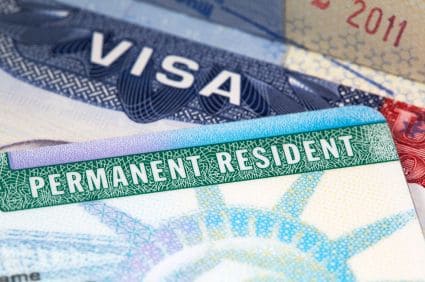
There are plenty of reasons why Panama has become a haven for retirees. One big reason for Panama’s popularity is the ease with which you can receive residency as a foreigner, especially as a retiree. The Pensionado Visa is specifically for retirees. You must earn at least $1000 USD in lifetime income each month through social security or a pension, and you will qualify for the visa. A couple will need to show $1250 in lifetime income.
Another big reason people retire in Panama is its low cost of living, especially compared to the US, Canada, and Europe. With a limited income and savings, a large part of retirement is figuring out how to make your money last. Panama provides a unique opportunity for retirees to live a new adventure and do it for less money, which appeals to many. Panama is a practical option money-wise and allows you to start a new, exciting chapter of your life.
Panama rolls out the red carpet for retirees by offering these discounts, which help you save even more money:
50% off on recreation and entertainment such as movies, theaters, sports, etc.
50% off hotels Monday through Thursday (30% off on weekends)
30% off public transportation like buses, trains, and boats
25% off airfare to anywhere in the world!
20% off restaurants (15% off fast food)
25% off electrical and water service
20% off doctors and specialists
20% off prosthetics and other personal assistance devices
15% off hospitals and private clinics
15% off dental and optometry services
10% off prescription medications (many places offer a 20% discount)
tax-free importation of household goods, up to $10,000
Apart from being more affordable and having a relatively simple visa process, Panama is a beautifully diverse country with great weather all year. It has gorgeous beaches, lush mountains, and tropical rainforests. The local culture is quite welcoming and warm.
Many who have relocated to Panama have reported improved health and even being able to stop taking medications!
Types of Assisted Living/Nursing Facilities
There are only a few private assisted living facilities in Panama, but many more government-operated assisted living facilities.
Assisted Living or Nursing homes provide residents with 24/7 personal and medical care, and memory care is available, too.
Assisted living homes provide nutritional support, assistance with daily tasks, and medical support. They also have social activities and may provide other medical assistance, such as physical therapy and recreational activities.
Private Assisted Living Facilities in Panama
While there aren’t many options for private assisted living facilities in Panama, we’ll look at one in Panama City and one soon to open near Volcan.
Insigna Panama City
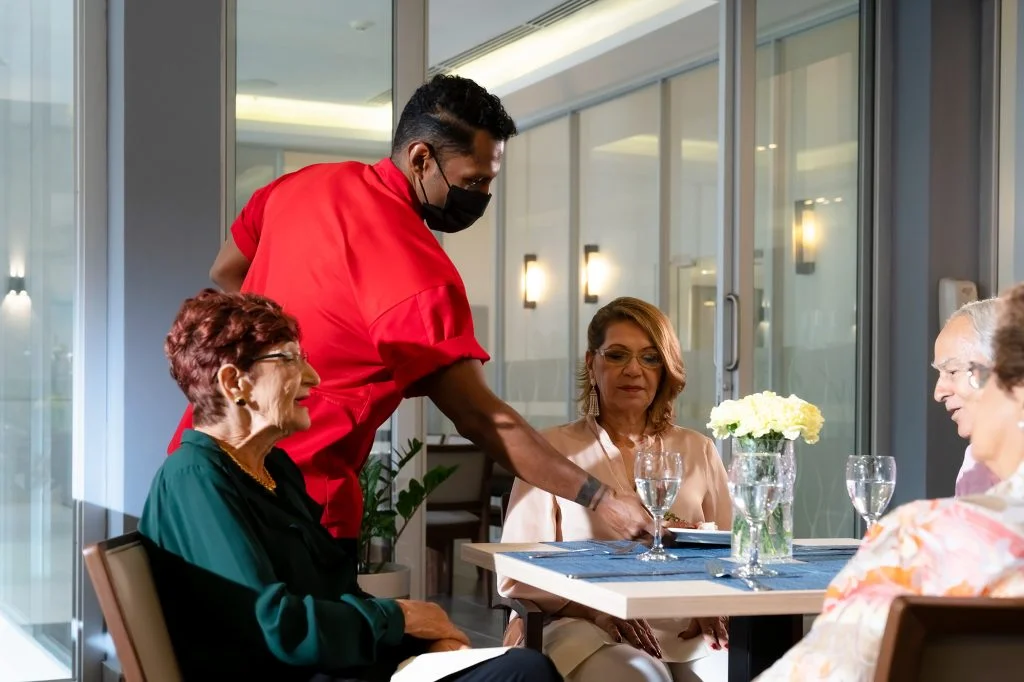
Located in Panama City, Insignia is an exceptional assisted living facility that offers varying levels of care: independent living, assisted living, and memory care. This facility has over 20 years of experience serving the elderly in the United States and Latin America. As such, it is based on the American concept of Senior Living.
Residents will enjoy exceptional meals, social events, and activities in which they can socialize. Additionally, wellness professionals are needed at each level of care. Whether they help manage their medication, ensure fall prevention, or take them to their doctor’s appointments, there are plenty of qualified and caring experts to support the residents.
Additionally, Insignia offers memory care, too. This is specific care for those with Alzheimer’s or dementia. Trained professionals will support you or your loved ones with the care they need to manage their conditions while maintaining quality of life.
The cost of these private assisted living facilities will vary depending on the level of care you need. They can range from $2,500-$4,500 USD a month. Naturally, the more care you need, the higher the price. (Don’t worry, you will learn about other more affordable options below)
Boquete Assisted Living
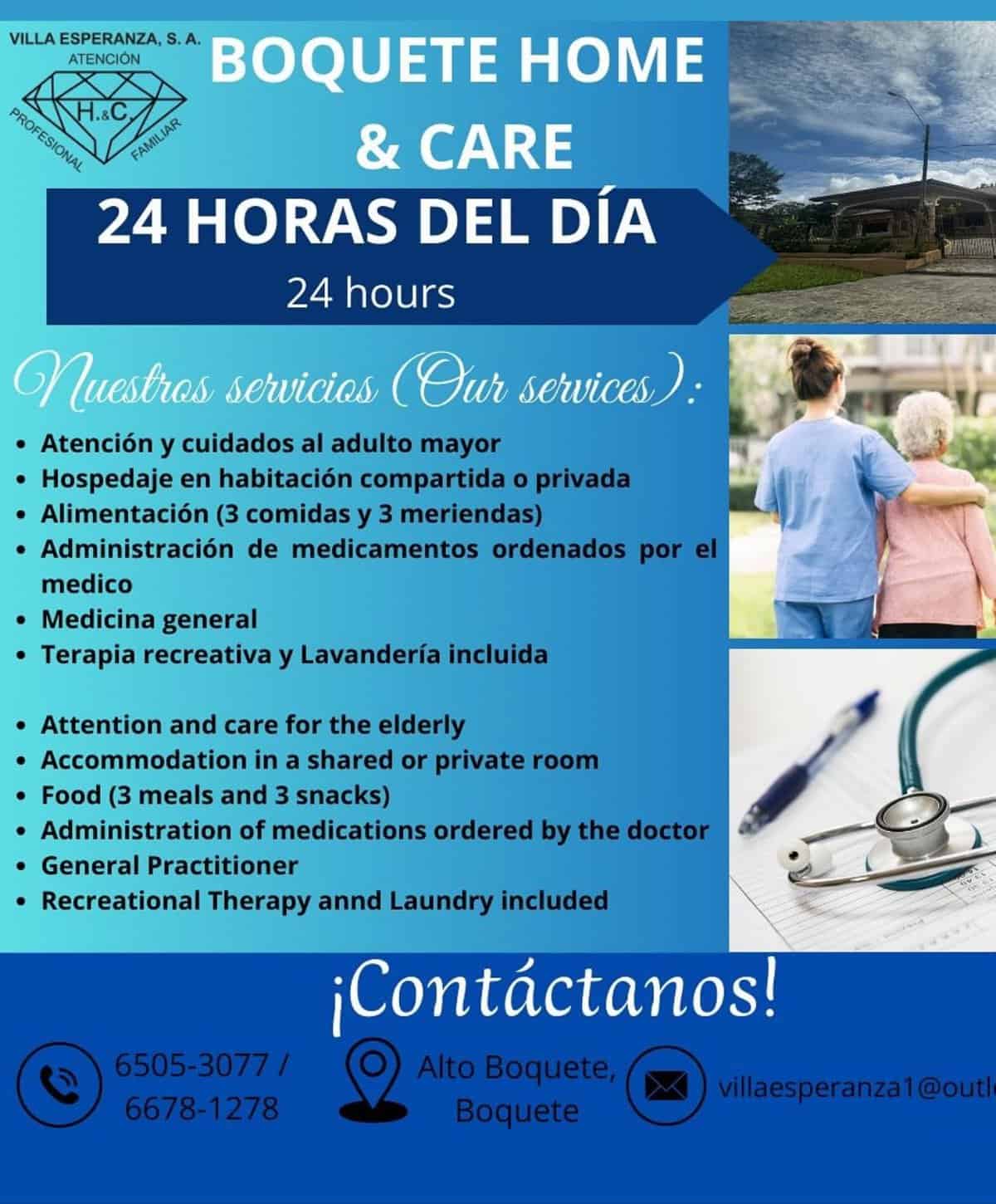
Villa Esperanza has two locations in Alto Boquete. Each location can accommodate 12-15 people. The rate varies between $1200 and $1600 depending on whether it is a shared or private room. The owner is Dalisla Sanchez. She speaks English. +507-6678-1278
In Panama City, some other options for private assisted living are:
Harmony House – Their website says, The Residence “Harmony House,” born as a committed response to this demand, seeking to be more than a home care in Panama City, this project was born with the conviction that the stage of old age deserves to be lived with dignity, respect and love; being not only a physical space, but an environment where the joy, integral health and emotional well-being of each resident are encouraged. Our vision is based on the premise that each person, regardless of his age, deserves a full and meaningful life. Therefore, this project profile aims to present a comprehensive proposal that combines specialized medical care, modern amenities and a human approach focused on the individual needs of each resident.
A high-end (expensive) independent and assisted living project called Generation Tower in Coste del Estate is being built near Panama City. You have to buy the units plus pay a monthly fee. We do not recommend doing any pre-construction projects.
Government-Run Assisted Living Facilities:
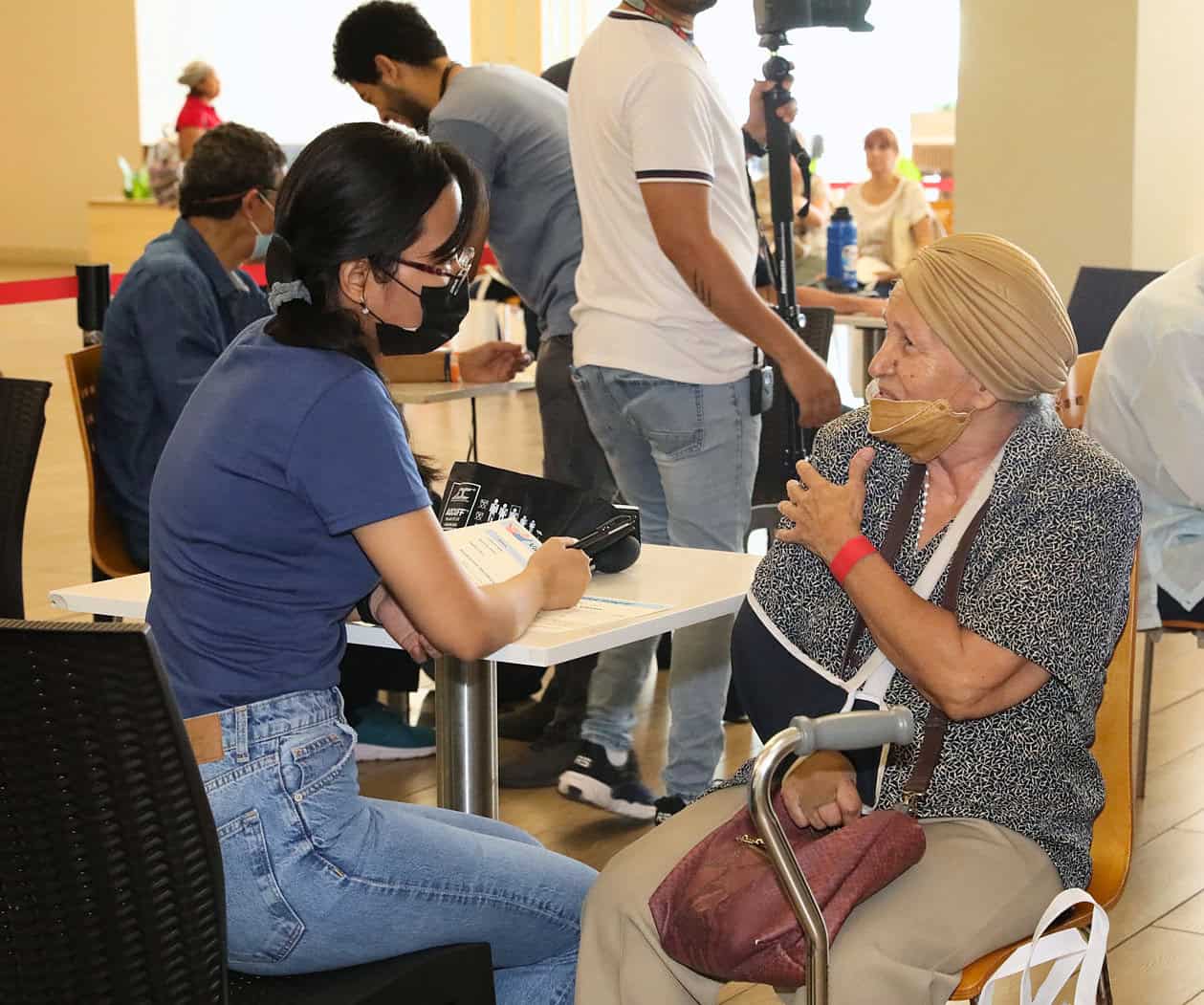
In Panama, government-run and government-subsidized assisted living facilities (known locally as asilos or casas hogares) are designed primarily for low-income seniors or those in “social risk” (abandonment or lack of family support). These facilities are managed through the Ministry of Social Development (MIDES), the Social Security Fund (CSS), and local Municipalities. To be considered for these facilities, you need a doctor’s referral and a medical evaluation. Keep in mind that most of these government-operated facilities may only have Spanish speakers. This is their mission statement:
To become a specialized and leading institute at the national level, which guarantees compliance with the human rights of older people, based on the principles of inequality, social justice, equity, gender and intergenerational.
Types of Facilities
It is important to distinguish between strictly government-run facilities and those that are government-subsidized:
State-Run Facilities: These are fully operated by the government or a municipality (e.g., the Asilo Años Dorados run by the Panama City Mayor’s Office).
CSS Geriatric Units: The Social Security Fund provides specialized medical care and short-term residential stays for Panamanian insured retirees, rather than permanent “assisted living” in the traditional residential sense.
Estimated Costs
Government-Operated/Subsidized: Costs generally range from $600 to $1,000 USD per month.
Variable Pricing: Many state-run facilities use a “socio-economic evaluation.” If a senior has a very small pension (e.g., the “120 a los 65” social pension) and no family, the cost may be further reduced or covered entirely by state subsidies.
Private Pay: Even in subsidized homes, if the family can afford to pay, they are expected to contribute a monthly fee to cover board and medical supplies.
Requirements for Entry
To be admitted into a government-run or subsidized facility, candidates generally must meet the following criteria:
Age: Must be 60 years or older.
Legal Status: Must be a Panamanian citizen or a foreigner with permanent residency.
Social Evaluation: A MIDES or CSS social worker must perform a socio-economic study to prove that the individual lacks a family support network or is in a vulnerable state.
Medical Documentation:
A full medical evaluation and referral from a doctor.
Recent lab work (Blood tests, HIV, Urine, Chest X-ray, and sometimes an EKG).
A psychological evaluation to determine the level of cognitive function/dependency.
Voluntary Entry: The senior must ideally enter by their own will (unless a legal guardian is appointed due to incapacity).
Key Facilities and Contact Information
Facility Name Location Type Contact/Link
Asilo Años Dorados Pacora, Panama City Municipal (Alcaldía) mupa.gob.pa
Doña Carmen de Barroso Chiriquí Government Operated Via MIDES Chiriquí
Residencial Dulce Compañía El Crisol, Panama Government Operated Website
Where to Get More Details
For the most up-to-date information on availability and the application process, you should contact the following entities directly:
MIDES (Ministry of Social Development): Visit the COAI (Centro de Orientación y Atención Integral) at their main offices or on their website: mides.gob.pa.
CSS (Caja de Seguro Social): If the senior is a retiree who contributed to the social security system, they should contact the Programa de Pensionados, Jubilados y Tercera Edad: css.gob.pa.
Panama City Municipality: For the Años Dorados home, contact the Dirección de Gestión Social: mupa.gob.pa.
Government-operated assisted living facilities typically include:
* Feeding/Meals
* Shared Room
* Housekeeping
*Ambulance
* General Medicine Physician
* Laboratories
* Geriatrician extra $40.00 a month
* Psychologist, Psychiatrist (memory care) extra $50.00
These assisted-living facilities have
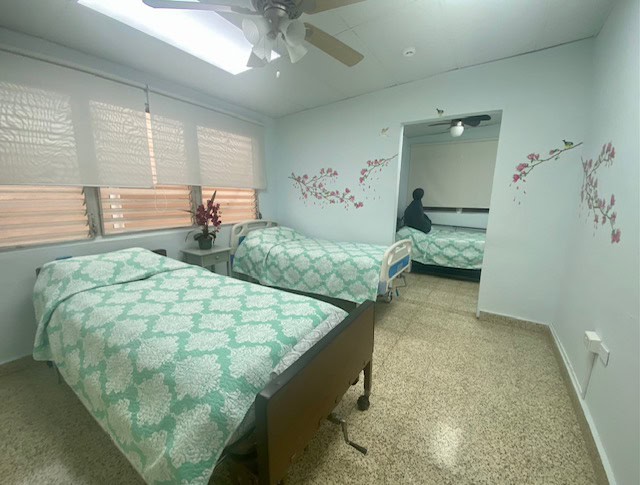
*Individual or shared rooms with a private bathroom
*Admit bedridden people
*Supports patients with dementia
*Supports people confined to a wheelchair
The government-operated assisted living facilities will require this information from your doctor for you to be admitted:
To verify that you can live in a community with others and be over 60 years old, these medical evaluations are required:
Primary Care Physician’s Medical History (Illnesses and Medication);
*Electrocardiogram
*Complete Blood Count
– Lipids (Cholesterol, Triglycerides, HDL)
– Glucose hemoglobin for diabetics
– TSH for Thyroid Patients
-Swab Test for COVID-19, others according to the pathology
-Chest X-ray (reading)
-CT scan in case of cerebrovascular event or diagnosis of dementia.
– Others, according to circumstances and eventual conditions.
All prospects must undergo Psychiatric Evaluation, be stable and under treatment -especially patients with Dementia.
After the physical, mental, and socioeconomic evaluations, the administration, together with the medical team and caregiver coordination, will evaluate the patient and make an admission decision, which will be communicated promptly.
The socioeconomic report, prepared by a social worker: a) socioeconomic report by social work of the CSS (Caja de Seguro Social), for insured persons. Socioeconomic report by MIDES for the uninsured.
Provide proof of economic solvency (individually and confidentially).
If you are approved to be admitted to a government-operated assisted living, you must provide the information on THIS INTAKE FORM.

Home Health Care
Home health care is the most popular option in Panama for elderly support. You can hire a private nurse or opt to go through an agency.
You may need home healthcare for a short time after a surgery or accident, or you can get home healthcare 1-7 days a week. Live-in-home healthcare is available, too. This option can be affordable depending on the services and care you require and which route you take.
Home Health Agencies
These types of agencies exist mainly in Panama City. They offer personalized care, such as nursing care, physical therapy, and daily living assistance. Some might even offer medical services such as wound care, rehabilitation, medication management, etc.
In-home care allows you to customize your needs and receive the required attention. Some home health agencies that can assist you in finding the right caregivers are:
Vitae Salud,
Domi Salud,
Abundant Live PTY (Panama City only)
Panama Home Care (Chame to Penonome and El Valle de Anton)
Depending on your needs, you might also consider specialized medical care. Services can include visiting nurses, physical therapists, and other medical professionals. They can provide specialized at-home care such as wound care or management of chronic conditions.
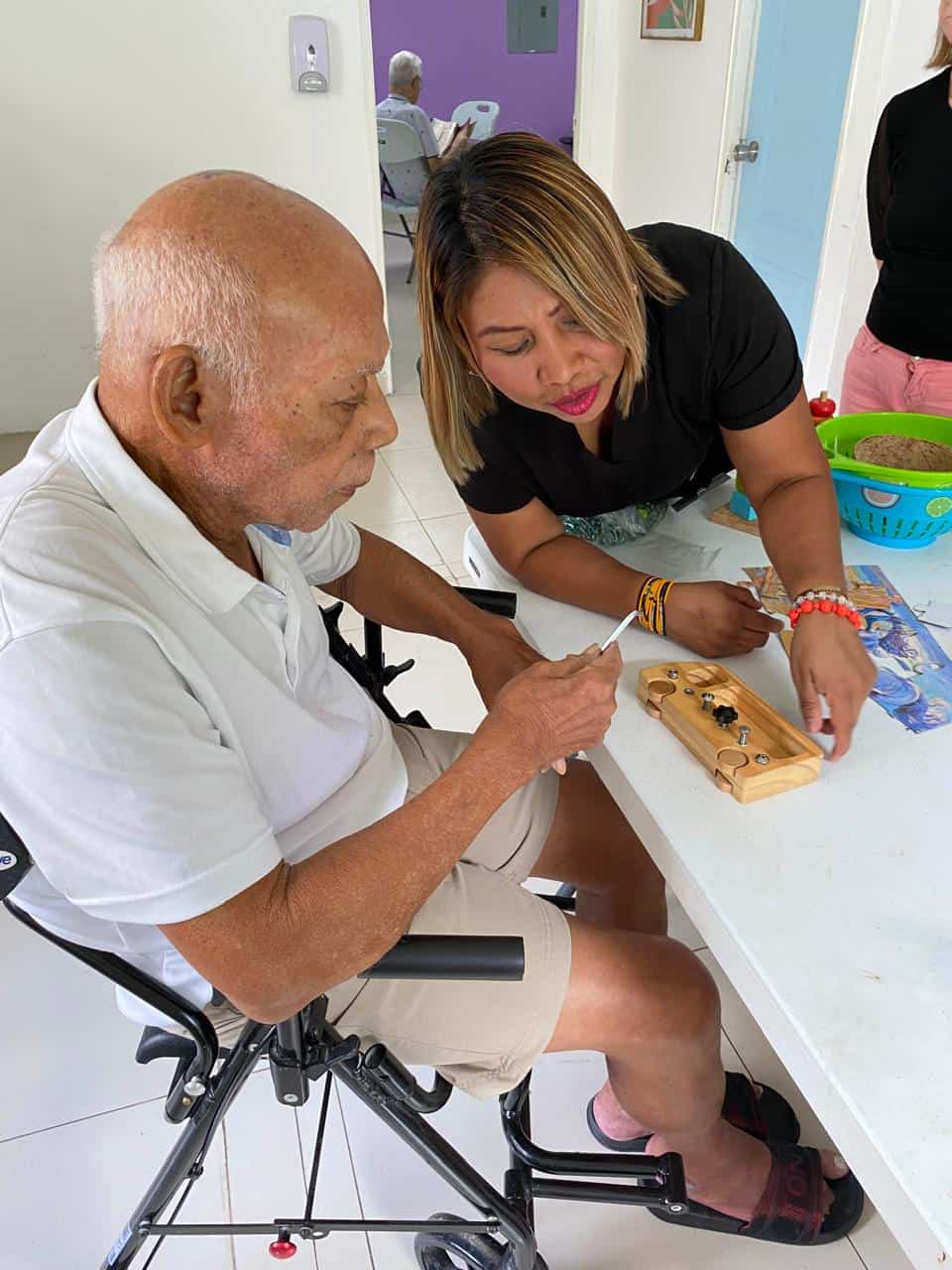
With the proper planning and location, Panama offers an appealing lifestyle for people who need assistance. Modern healthcare, accessible housing, and supportive services allow individuals to live comfortably and independently while enjoying all this beautiful country has to offer.
Many who move to Panama report that their health improves significantly. Some are even able to get off all medications after moving to Panama.
Come see how you can
LIVE BETTER for LESS in Panama!
Consider coming on an all-inclusive 6-day, 7-night Panama Relocation Tour to see how amazing life is in Panama.
Rest assured that assisted living or home healthcare are available in Panama if you need it!
This is what Annette had to say about Panama Relocation Tours:
Retirement Abroad is possible with Panama Relocation Tours
Oct 2023 • Solo
I actually took this tour in August of 2023. I had done a lot of research online and it was time to put boots on the ground. I found Jackie Lange’s Panama Relocation Tour. I booked it and had a wonderful time. From the start of the tour to the end of the tour it was absolutely lovely and very informative. The amount of information that I learned from this tour helped me get ready to relocate for retirement in Panama the following August 2024. Not only is the staff wonderful, the accommodations, the locations that we visited going from one end of the country to the other end of the country. The food that we ate, the atmosphere and the peacefulness of it all. Needless to say today I am a Panamanian and now belong to a supportive community which is The PRT Group.
Thank you Panama Relocation Tours!
Annette Cook
PRT #210