 Contact
  Log In


Moving to Panama can be an exciting opportunity to enjoy a more relaxed lifestyle, warmer weather, excellent healthcare, and a lower cost of living. But relocating to another country is very different from taking a vacation.
Panama offers many advantages, but it is not perfect—and it is not the right fit for everyone. The people who have the smoothest transitions are usually those who research carefully, visit before moving, remain flexible, and understand that life in Panama will be different from life in the United States or Canada.
Before you pack your belongings and buy a one-way ticket, avoid these eight common mistakes.
1. Moving to Panama Without Visiting First
One of the biggest mistakes you can make is moving to Panama based only on YouTube videos, social media posts, or online articles.
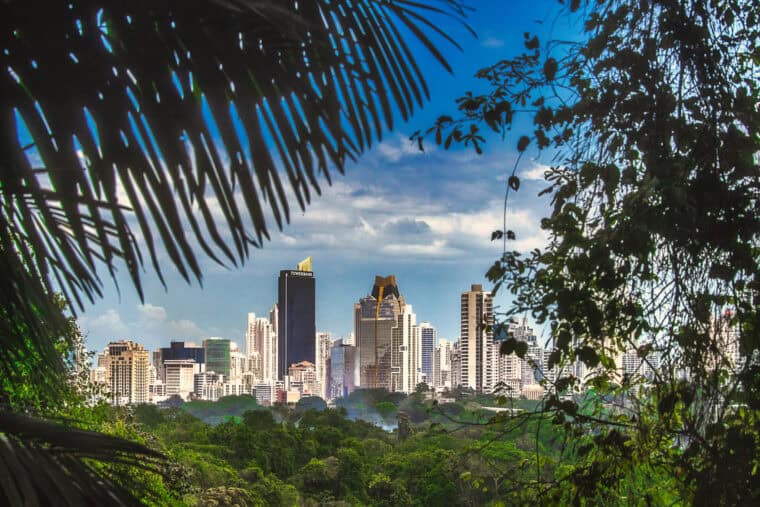
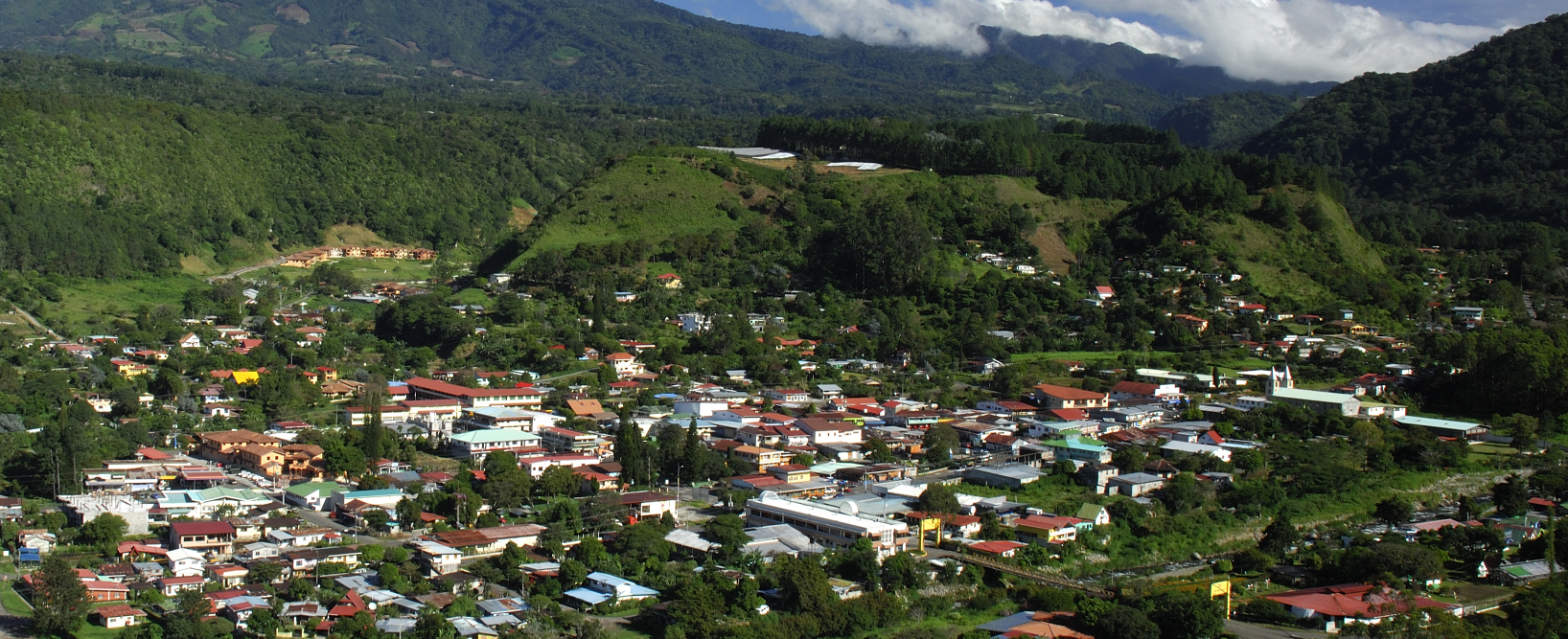
Panama is a relatively small country, but its communities are remarkably different. Panama City offers modern high-rise living, excellent hospitals, shopping, restaurants, and public transportation. The Pacific beach communities provide a quieter coastal lifestyle. Boquete and Volcán offer cooler mountain weather, while areas such as Pedasí, Chitré, and Las Tablas have their own distinct personalities.
Pictures and videos can help you narrow down your choices, but they cannot tell you how a place feels.
Before deciding where to live, spend time exploring several areas. Pay attention to the climate, traffic, noise, available healthcare, shopping, social activities, transportation, and the distance to an international airport.
A location that looks perfect online may not feel right once you arrive.
2. Buying Property Too Soon
Many people become excited about Panama and immediately want to purchase a house or condominium. This can be an expensive mistake.
It takes time to understand a community. You may discover that the neighborhood is noisier than expected, the weather is too hot or rainy, the building has maintenance problems, or essential services are farther away than you realized.
It is better to rent in the area for at least a year before buying. Renting gives you the flexibility to experience daily life in an area without making a long-term financial commitment.
You may also find that your priorities change after living in Panama. Perhaps you thought you wanted a remote mountain home but later realized you prefer to be within walking distance of restaurants and medical care. Or you may have imagined living at the beach but discovered that you prefer the cooler highlands.
Renting for at least twelve months—preferably during both the dry and rainy seasons—can help you make a much more informed decision.
3. Assuming Everything Will Work As It Does Back Home
Panama is not the United States or Canada. Banking, shopping, driving, customer service, housing, utilities, and government procedures may all work differently.
Some transactions take longer. Businesses may close for lunch or national holidays. Contractors may not arrive at the exact time promised. Product selections may be limited, and your favorite brand may not be available.
Trying to force Panama to operate like your home country will lead to frustration.
Successful expats learn to be patient, flexible, and resourceful. They adjust their expectations instead of becoming angry every time something works differently.
Moving abroad requires more than changing your address. It requires changing your mindset.
4. Choosing a Town Based Only on the Cost of Living
Affordability is important, but it should not be the only factor you consider.
A low-cost town may not have the healthcare, transportation, shopping, or social activities you need. A very inexpensive rental may be far from grocery stores or require you to own a car. A remote beach community may sound peaceful until you realize the nearest major hospital is several hours away.
Before choosing a location, consider five important factors:
- Your monthly budget
- Your preferred weather
- Access to doctors and hospitals
- Social activities and community
- Walkability and transportation
The least expensive town is not always the best value. Your goal should be to find a place that fits both your budget and your lifestyle.
5. Shipping Everything You Own
International shipping can be expensive, and many people bring far more than they need.
Large North American furniture may not fit comfortably in a Panamanian home or condominium. Heavy furniture may also be unsuitable for the tropical climate. Appliances may not fit available spaces, and replacement parts may be difficult to find.
Many rentals in Panama come fully or partially furnished. Household items, furniture, appliances, and electronics are widely available in the larger cities.
Before shipping a container, carefully compare the cost of transporting your belongings with the cost of replacing them in Panama. Bring sentimental items and possessions that are difficult to replace, but avoid paying thousands of dollars to ship things you may not need.
Downsizing before your move can save money and simplify your transition.
6. Ignoring Healthcare and Insurance Until After the Move
Panama has excellent private healthcare, particularly in Panama City and David. Medical care is often much more affordable than in the United States, but you still need a plan.
Do not wait until you have a medical emergency to investigate hospitals, doctors, insurance, and payment requirements.
Before moving, determine:
- Which hospitals are near your preferred community
- Whether you need private health insurance
- Whether your current insurance offers international emergency coverage
- How pre-existing conditions may affect your options
- Are the medications you need available and what will they cost
- Whether you should maintain Medicare Advantage
- How you will pay for routine and emergency care
People with chronic medical conditions should also identify specialists, confirm medication availability, and consider how far they are willing to travel for treatment.
Access to affordable healthcare is one of Panama’s greatest benefits, but proper planning is essential.
7. Underestimating the Language and Cultural Differences
You can live in some parts of Panama without speaking fluent Spanish, but learning basic Spanish will make your life much easier.
English is commonly spoken in certain doctors, hotels, businesses, and expat communities. However, your landlord, taxi driver, mechanic, gardener, government employee, or local shopkeeper may speak little or no English.
Even basic phrases can help you communicate, solve problems, build relationships, and show respect for Panamanian culture.
Cultural differences also extend beyond language. Panamanians may communicate more indirectly, place a strong emphasis on personal relationships, and have a different sense of time than North Americans.
Instead of expecting Panama to adapt to you, make an effort to understand and respect the country you have chosen to call home.
8. Trying to Figure Out Everything Alone
There is a tremendous amount of conflicting and outdated information online about moving to Panama.
Visa laws change. Banking requirements vary. Real estate practices are different. Some people unknowingly hire unqualified or dishonest service providers because they do not know who to trust.
Trying to handle every detail alone can lead to costly mistakes involving immigration, rentals, insurance, shipping, pets, banking, and legal documents.
Work with qualified, reputable professionals who understand Panama’s laws and procedures. Avoid relying solely on advice from social media groups.
The least expensive option is not always the safest option. Paying for reliable guidance can prevent expensive problems later.
Preparation Makes All the Difference
Moving to Panama can provide a wonderful lifestyle, but a successful relocation requires realistic expectations, reliable information, and careful planning.
Visit before moving. Explore several communities. Rent before buying. Understand your healthcare options. Learn some Spanish. Work with trusted professionals, and remain open to doing things differently.
Most importantly, remember that Panama is not right for everyone. There will be tradeoffs. The purpose of researching and visiting Panama is not to convince yourself to move—it is to gather enough accurate information to make the decision that is right for you.
Don’t Make Your Move to Panama Alone
Panama Relocation Tours has been helping people avoid costly relocation mistakes since 2010. Whether you are ready to visit Panama or are still researching from home, we have an option to help you move forward with confidence.
When I started Panama Relocation Tours 16 years ago, my goal was to give people honest information, dependable contacts, and the confidence to make informed decisions. I wanted to help others avoid the mistakes, stress, and uncertainty that often come with moving to another country.
Get the Online Panama Relocation Guide
The Online Panama Relocation Guide gives you immediate access to the practical, step-by-step information you need to plan your move.
You will learn about:
- Visa and residency options
- Renting or buying a home
- Healthcare and health insurance
- Banking and managing your money
- Bringing pets to Panama
- Shipping your belongings
- Getting a driver’s license
- Buying a car
- Working or starting a business
- Choosing the right area
- Settling into your new life
You will also receive access to our carefully vetted contacts throughout Panama, including immigration attorneys, real estate professionals, insurance brokers, pet relocation experts, private tour guides, and other trusted service providers.
The Guide includes lifetime access and regular updates, so you won’t rely on outdated information or try to piece together conflicting advice from social media.
Get the Online Panama Relocation Guide today and start planning your move with a proven roadmap.
Explore Panama With a Customized Private Tour
Already know which areas interest you most? A Private Panama Relocation Tour gives you a personalized, firsthand look at the communities you are considering.
Your tour can be customized around your specific priorities, including:
- Your budget
- Preferred climate
- Healthcare needs
- Housing options
- Walkability and transportation
- Shopping and daily necessities
- Social activities and lifestyle
- Proximity to airports and hospitals
Private Tours are available for one, two, or three days and include only you, your family, and your knowledgeable local tour guide. You can focus on Panama City, the Pacific beach communities, Boquete, Volcán, David, El Valle, Pedasí, Bocas del Toro, or other areas that match your needs.
Stop wondering what living in Panama might be like. Come see the communities, explore housing options, ask questions, and experience everyday life for yourself.
Take the Next Step
You do not have to spend months sorting through conflicting information or risk making expensive mistakes.
Purchase the Online Panama Relocation Guide to begin planning from home—or reserve a customized Private Panama Relocation Tour to explore the areas you are considering in person.
Your successful move to Panama begins with the right information, trusted contacts, and a plan.
Start preparing today.