 Contact
  Log In


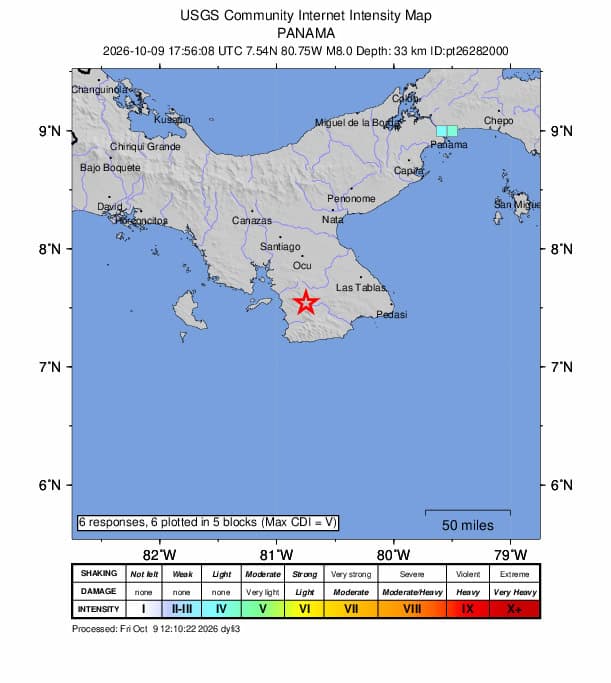
The October 9, 2026, earthquake frightened many people across Panama. Initially reported as magnitude 7.6 and later revised to 7.7, it was an unusually powerful event for the country. Some communities, including Torio, Tonosí, Playa Venao, and Penonomé, suffered damage, but early reports indicated Panama avoided widespread damage.
If you are considering moving to Panama, you may be wondering what this means for your safety.
The honest answer is that Panama has earthquakes. Earthquakes this strong are rare. Panama’s strong seismic building codes help reduce that risk by requiring buildings to resist earthquake forces.
Those requirements help limit damage and, most importantly, reduce the likelihood of collapse and major structural failure. They cannot guarantee that every building will escape damage.
Dramatic Images Do Not Show the Entire Country
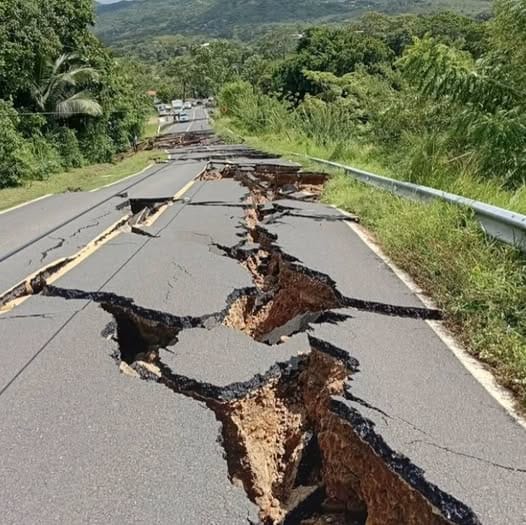
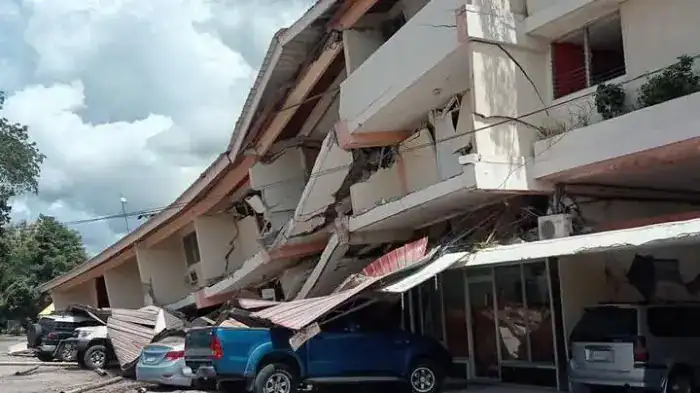
International coverage of natural disasters often features the most dramatic images: collapsed buildings, falling debris, and people gathering outside after their building was evacuated. Those scenes show real consequences, but they do not describe conditions everywhere in Panama.
We received reports of damage to older buildings in Penonomé, Torio, and Playa Venao, along with wall cracks in some houses and apartments in Playa Blanca. Most people felt the earthquake but reported no damage to their homes.
Both experiences matter. The lack of damage in one community does not diminish losses in another, and a collapsed building does not mean buildings throughout Panama collapsed.
Our thoughts are with everyone whose home, business, or community was affected.
Earthquakes This Strong Are Uncommon in Panama
Panama experiences earthquakes, but an event as powerful as the October 9 earthquake is very uncommon. Many smaller tremors go unnoticed.
How strongly you feel an earthquake depends on its magnitude, depth, and distance, along with local ground conditions and the building you occupy. A person sitting quietly may notice a small tremor that someone walking outside does not.
Earthquakes affecting Panama can originate near Costa Rica, offshore in the Pacific, or on faults within Panama. Important sources include:
- The Limón Fault: An active fault in central Panama studied for its potential to produce damaging earthquakes.
- The Pedro Miguel Fault: Located near the Panama Canal and Panama City. Research links it to the 1621 earthquake that damaged Panamá Viejo.
- The Panama Fracture Zone: An active offshore zone southwest of Panama that produces recurring earthquakes. earthquake.usgs.gov
This means Panama’s earthquake risk warrants preparation, even though strong earthquakes are not common.
Panama’s Strong Seismic Building Codes Help Reduce Damage
Panama has required structural earthquake design for decades. Its national regulations have evolved as engineering knowledge and seismic-hazard information have improved.
The major editions include REP-84, REP-94, REP-2004, REP-2014 and REP-2021. REP-2014 was officially published in 2015 and incorporated updated seismic-design requirements and hazard maps. REP-2021 was adopted in 2022 and became effective April 30, 2023, with a separate extension for one specialized design annex.
These structural requirements apply nationally; they are not reserved for Panama City’s high-rise buildings. REP-2014 establishes minimum requirements intended to protect against collapse or major structural failure.
You can read the entire 140-page building code here (in Spanish)
Proper seismic design, combined with good construction and maintenance, helps a building withstand shaking. This can reduce damage, but the central purpose is to protect lives.
It is important to understand the difference: earthquake-resistant does not mean earthquake-proof. A building can develop cracks or other damage while its main structure still protects occupants.
Older buildings built before 1984 are more likely to sustain damage because they were not designed to meet seismic building codes.
What About Panama City’s High-Rises?
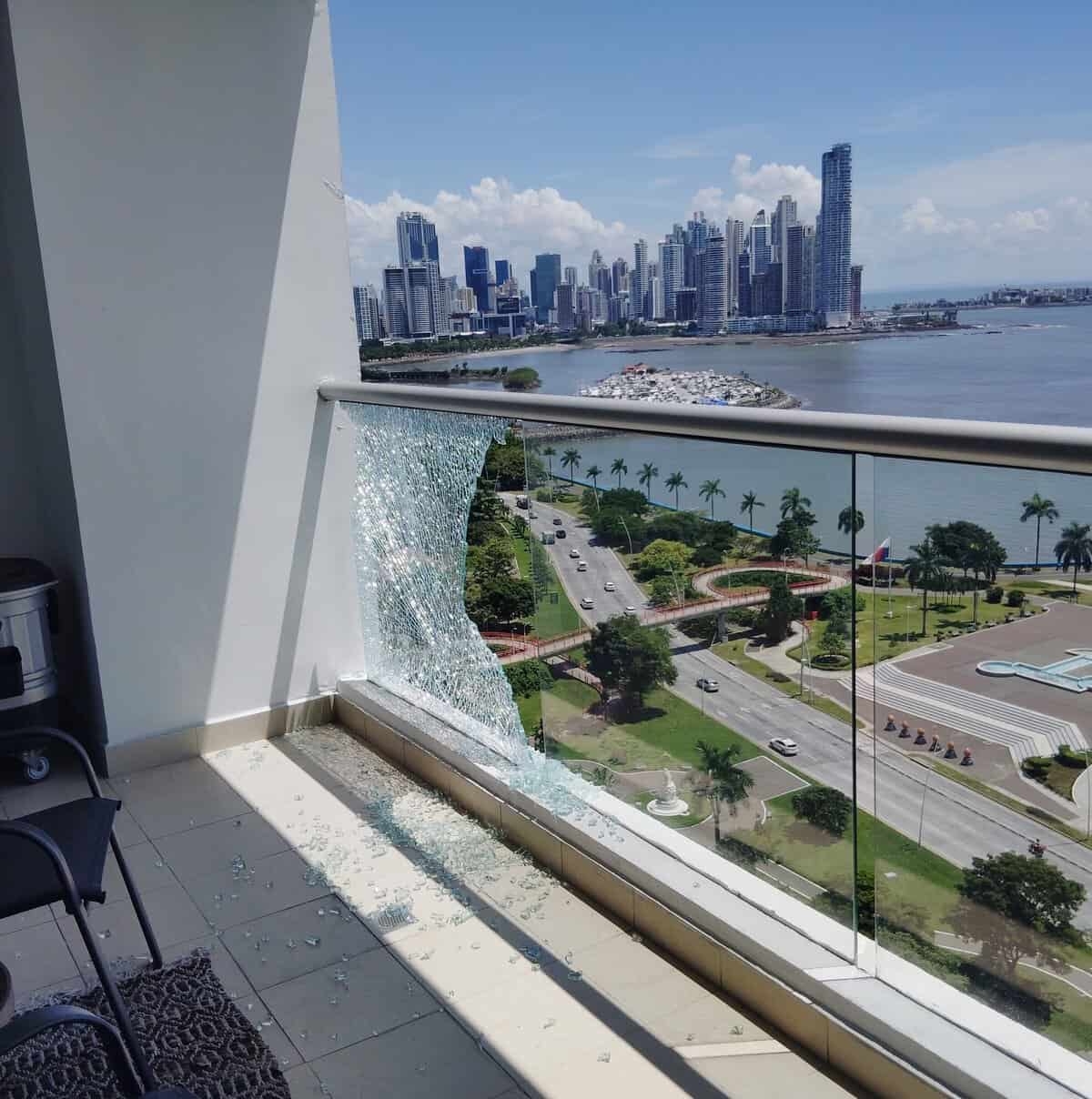
At the time of our initial update, we had not received reports of major structural damage to Panama City’s high-rise buildings. That was encouraging, but it was not a substitute for inspections or an official assessment.
Modern seismic engineering can improve building performance.
Evacuations Were an Important Safety Response
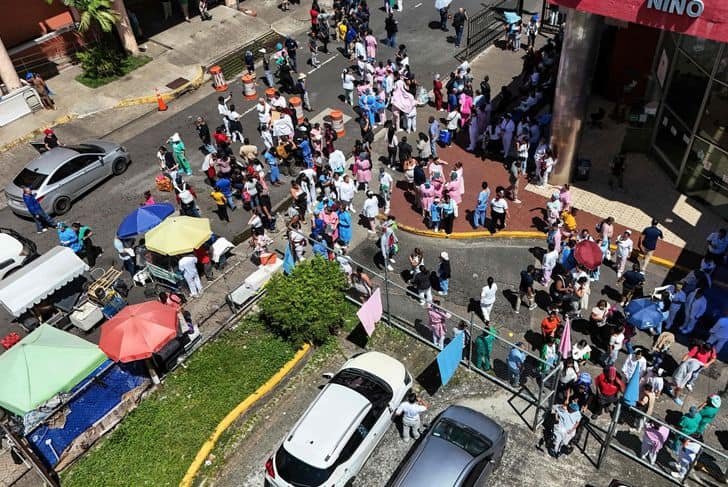
Reports from the ground described evacuations from high-rise buildings, shopping malls, schools, and airport facilities following the earthquake and aftershocks. News coverage confirmed widespread building evacuations and a temporary interruption of operations at Tocumen International Airport.
An evacuation doesn’t necessarily mean a building is damaged. It’s a precaution while officials assess conditions.
Seeing crowds gathered outside may look alarming in a video, but those images alone cannot tell you whether the building they left suffered structural damage.
If an earthquake occurs, you may need to evacuate your building (not using elevators) until it can be inspected for safety. So, it’s a good idea to have a “go bag” ready for any situation. Your “go bag” should have your passport, Panamanian ID, medications, and pet food.
A couple reported being on the 33rd floor at the Riu Hotel and having to walk down all those stairs. When they got back into the hotel, they could use the elevator, but they asked to be moved to a much lower floor in case they were evacuated again because of aftershocks.
After an earthquake, high-rise buildings often shut off gas/propane until crews can inspect the lines for leaks. Gas service could take several days to restore. Be prepared.
What to Check Before Renting or Buying
A home designed under more recent seismic standards (after 2014) is a sensible starting point when evaluating a property. However, a post-2014 construction date does not guarantee safety. The applicable code depends on the project’s design and approval history, and construction quality remains essential.
Before making a decision, ask about:
- Approved structural plans and construction permits.
- The code used to design the building.
- Maintenance, alterations, and previous earthquake damage.
- Any inspections completed after the October 9 earthquake.
If you’re buying, consider having a qualified structural engineer assess the property. If new cracks appeared after the earthquake, have them evaluated rather than assuming they are harmless—or automatically assuming they mean the building is unsafe.
Of course, the information will be in Spanish, so enlist your attorney’s help to review all documents.
Make an Informed Decision About Panama
The October 9 earthquake was a serious reminder that Panama has earthquakes. It also reinforced why structural standards, careful construction, and emergency preparation matter.
Panama’s strong seismic building codes provide an important layer of protection. They help reduce earthquake damage and collapse risk, but they don’t eliminate it.
You can approach life in Panama with confidence while choosing your home carefully, understanding local hazards and following official safety instructions.
Since 2010, Panama Relocation Tours has helped people understand the advantages and practical realities of moving to Panama. Our goal is to give you honest information so you can make an informed decision about your future.