 Contact
  Log In


One of the most common questions we hear from people considering a move to Panama is: “Can I really live well here on $2,000 a month?”
The answer is yes — but with an important asterisk. Where you live is only part of the equation. How you live matters just as much, if not more.
More on that in a moment. First, let’s look at seven places in Panama where $2,000 a month (including rent) can buy you a genuinely comfortable life.
The $2,000 Rule: What’s Realistic
Before we dive into specific towns, let’s set expectations. A $2,000/month budget for a single person or a frugal couple is very doable in Panama’s interior and smaller cities.
This budget typically covers:
• Rent on a furnished 1–2 bedroom home or apartment
• Utilities (electric, water, internet)
• Groceries and dining out
• Basic transportation
• Health insurance or routine medical care
• Entertainment and everyday expenses
If you’re a couple who wants a car, more space, or a more comfortable lifestyle, budget $2,000–$2,500 and you’ll still live well by North American standards.
Penonomé — The Quiet Colonial Heart of Coclé Province
Penonomé doesn’t get nearly the attention it deserves. As the capital of Coclé Province, it sits right on the Pan-American Highway about 2.5 hours west of Panama City — close enough for a day trip to the capital, but far enough to enjoy a slower, more authentic Panamanian pace of life.
This is a real Panamanian town with deep folkloric roots, a colonial cathedral, and a lively central market where locals have shopped for generations. You won’t find a thriving expat scene here, but you will find warm neighbors, low prices, and a genuine cultural experience.
What your money gets you: Furnished 1-2 bedroom homes start around $400–$500 a month. Many singles report total monthly budgets in the $900–$1,200 range, which means a couple living thoughtfully could live very comfortably well within the $2,000 mark.
The climate: Hot and humid, so air conditioning will factor into your electric bill. Budget around $80–$100/month for electricity if you use AC regularly.
Best for: Budget-conscious retirees, people who want an authentic Panamanian experience, and those who prefer living among locals rather than in an expat bubble.
Amenities: Penonome has two large, modern hospitals, plenty of shopping, and restaurants.
Keep in mind: English is not widely spoken. If you plan to live here, even basic Spanish will go a long way. Healthcare is available locally.
Ten minutes north of Penonome, at a higher elevation, you can reduce your cost of living even more.
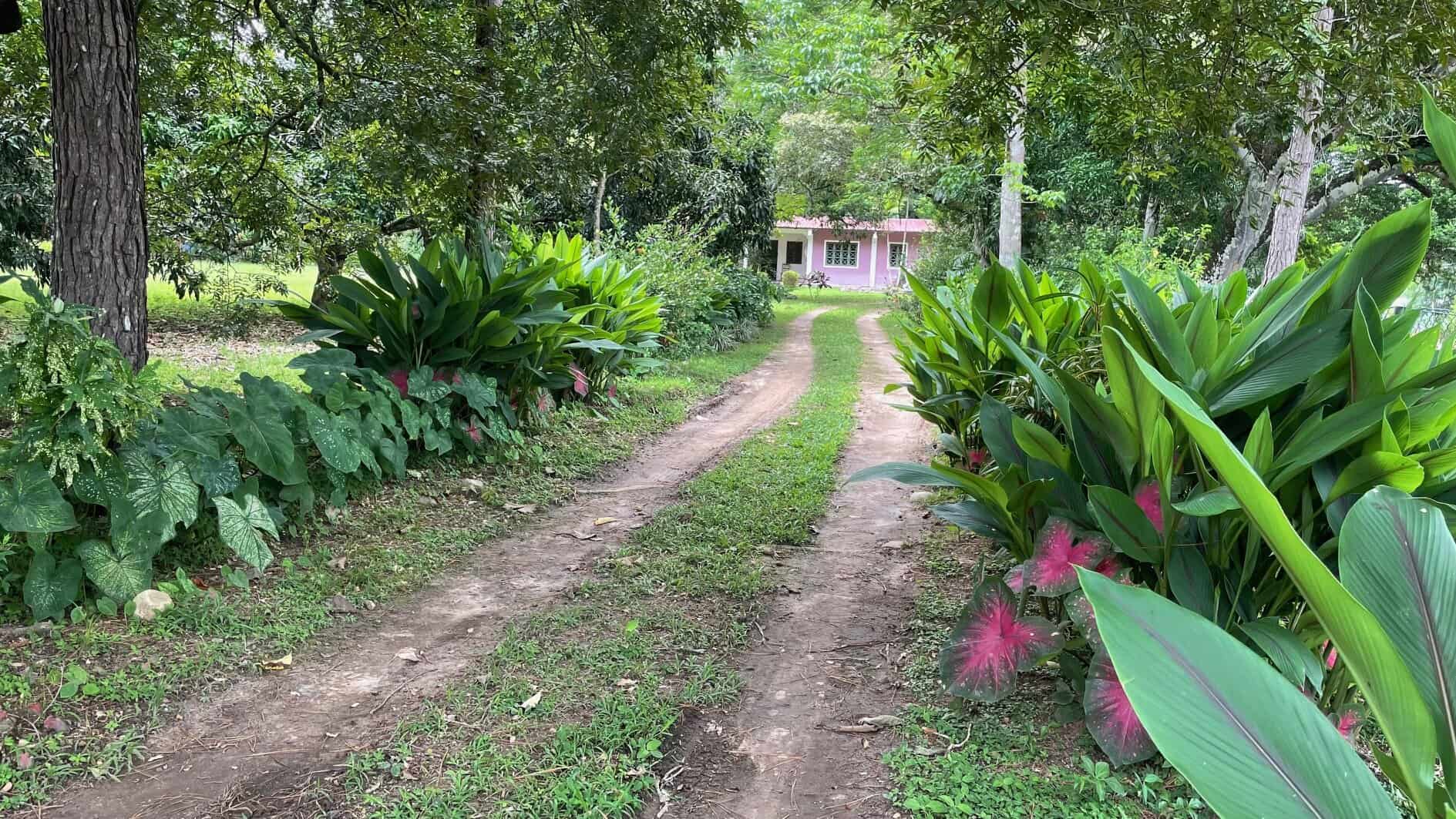
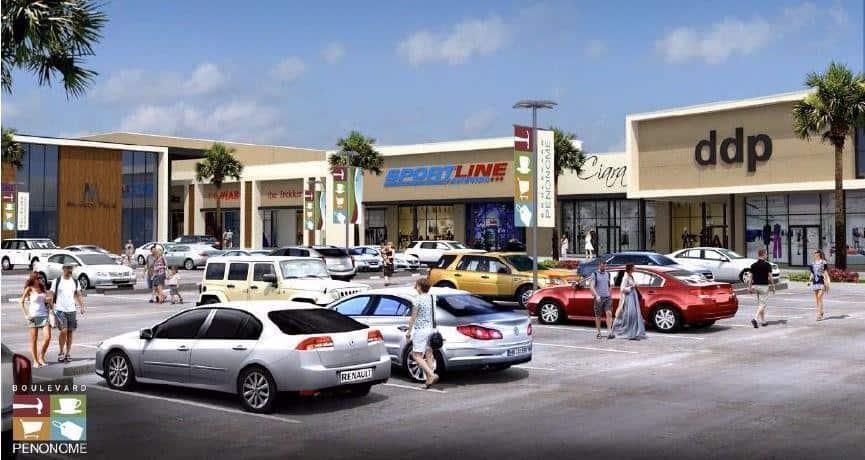
WATCH THIS VIDEO about living in Penonome.
Chitré — The Cultural Capital of the Azuero Peninsula
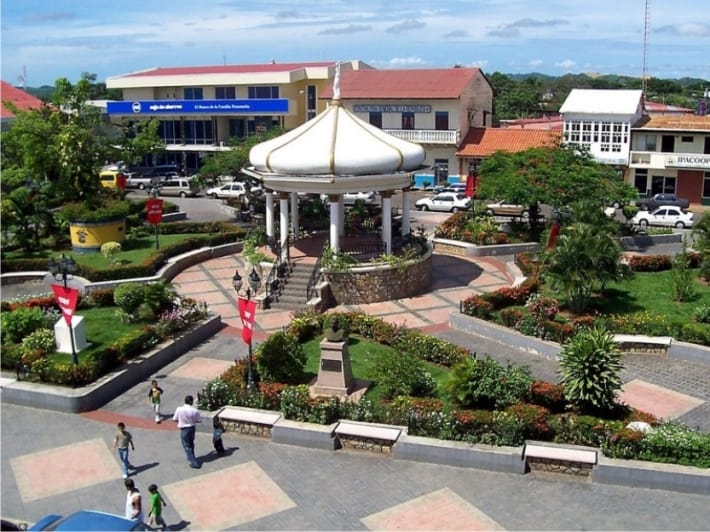
Chitré is one of Panama’s most developed and livable interior cities, and it consistently flies under the radar with expats who tend to gravitate toward Boquete or Coronado.
As the largest city on the Azuero Peninsula — home to about 60,000 residents — Chitré has everything you need for comfortable daily life: multiple supermarkets, banks, hospitals, shopping centers, good restaurants, a golf course, and a regional airport with flights to Panama City. The city has a rich history and is known across Panama for its Carnaval celebrations, which are among the best in the country.
What your money gets you: Rent on a comfortable furnished 2-bedroom house runs roughly $500–$700 per month. A couple can live very comfortably in Chitré for $1,500–$1,800/month, leaving plenty of room in a $2,000 budget for a few extras.
The climate: Warm and sunny, with a distinct dry season from December through April. You’ll use AC in the evenings, but the heat is more manageable than David or Panama City. It’s less humid than other towns in Panama.
Best for: People who want a real city with full amenities but without the Panama City price tag. Chitré is also a great base for exploring the Azuero Peninsula — Panama’s “heartland.”
Amenities: Chitre has modern hospitals, all the shopping you need, an airport with flights to Panama City, a golf course, and community pools.
Keep in mind: The expat community here is small but growing. It’s not a social hub like Boquete, but expats who choose Chitré tend to love it precisely because it’s authentic and unhurried. There is an expat get-together every Tuesday.
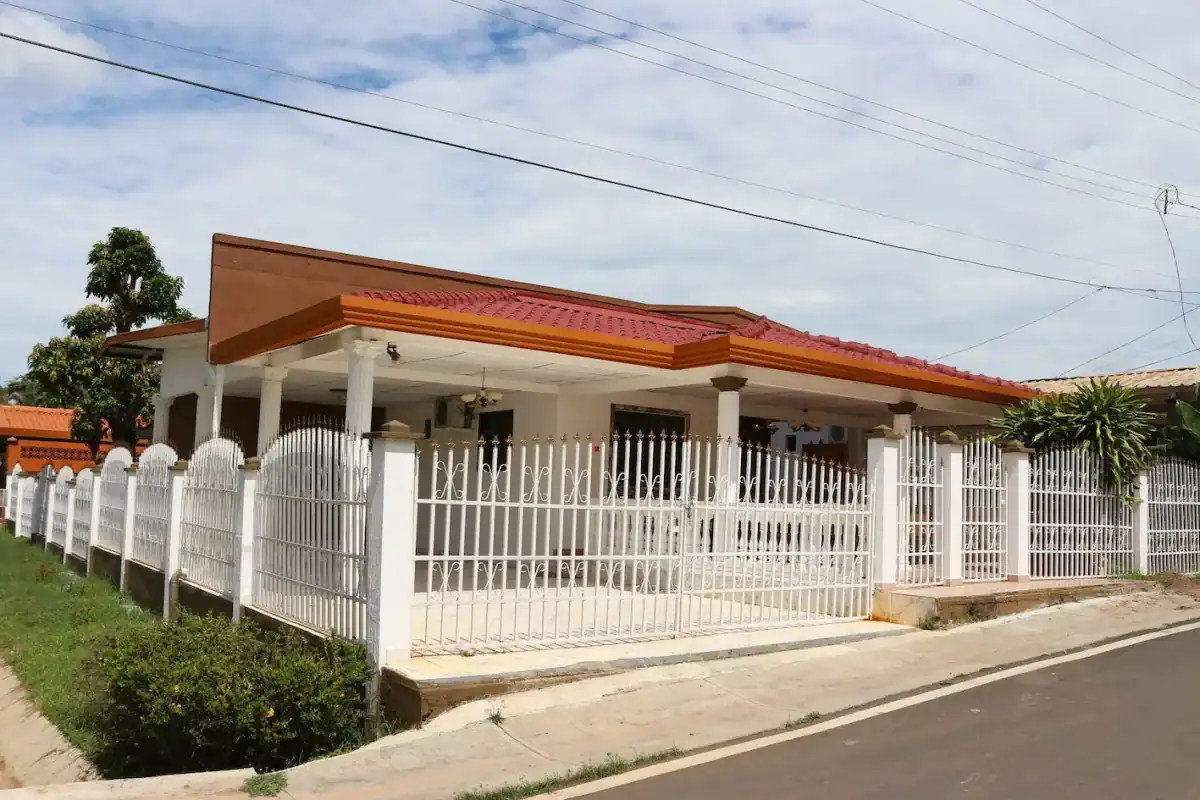
WATCH THIS VIDEO about living in Chitre.
Beach Communities Between Chitré and Las Tablas
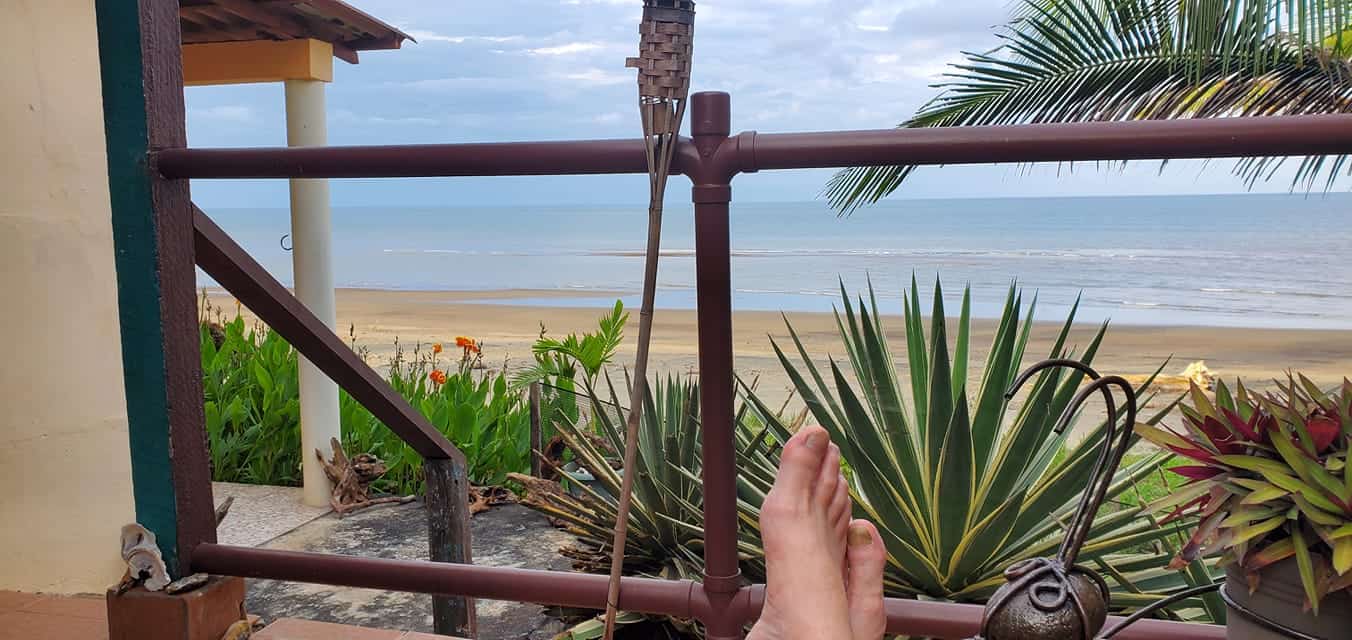
If you dream of living near the beach without paying Coronado prices, the eastern Azuero coastline between Chitré and Las Tablas is one of Panama’s best-kept secrets.
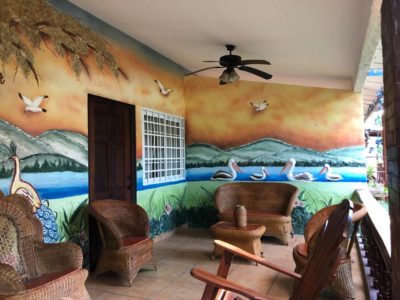
This stretch of Pacific coastline — including towns like El Rompío, Monagre, Guararé, offers genuine beach living at interior prices. These are not tourist towns. They are working Panamanian communities where the pace is slow, the neighbors are friendly, and the sunsets are spectacular. Beach communities like Playa Uverito are much more expensive.
What your money gets you: A furnished 2-bedroom, 2-bath house in this area can be found for around $600-$700/month (plus your electric bill). That’s real beach-adjacent living for a fraction of what you’d pay on Panama’s more famous Pacific coast.
The climate: Hot and sunny. The Azuero Peninsula is one of Panama’s driest regions — ideal if you prefer sunshine over lush greenery. Air conditioning will add to your electric bill.
Best for: Beach lovers on a budget who want to live among Panamanians rather than in an expat resort community. Chitré and Las Tablas are both within easy reach for shopping and services.
Amenities: Most of these beach communities have a small local grocery store, a few fondas, and a beach bar.
Keep in mind: Some of these smaller beach communities are quite rural. You’ll need a car or the phone numbers for taxi service, basic Spanish is a plus, and internet speeds can vary unless you get Starlink. But for the right person, this is one of the most rewarding and affordable places to live in Panama.
WATCH THIS VIDEO about living in Playa El Rompio
WATCH THIS VIDEO about living in Guarare
Volcán — Cool Mountain Living in Chiriquí
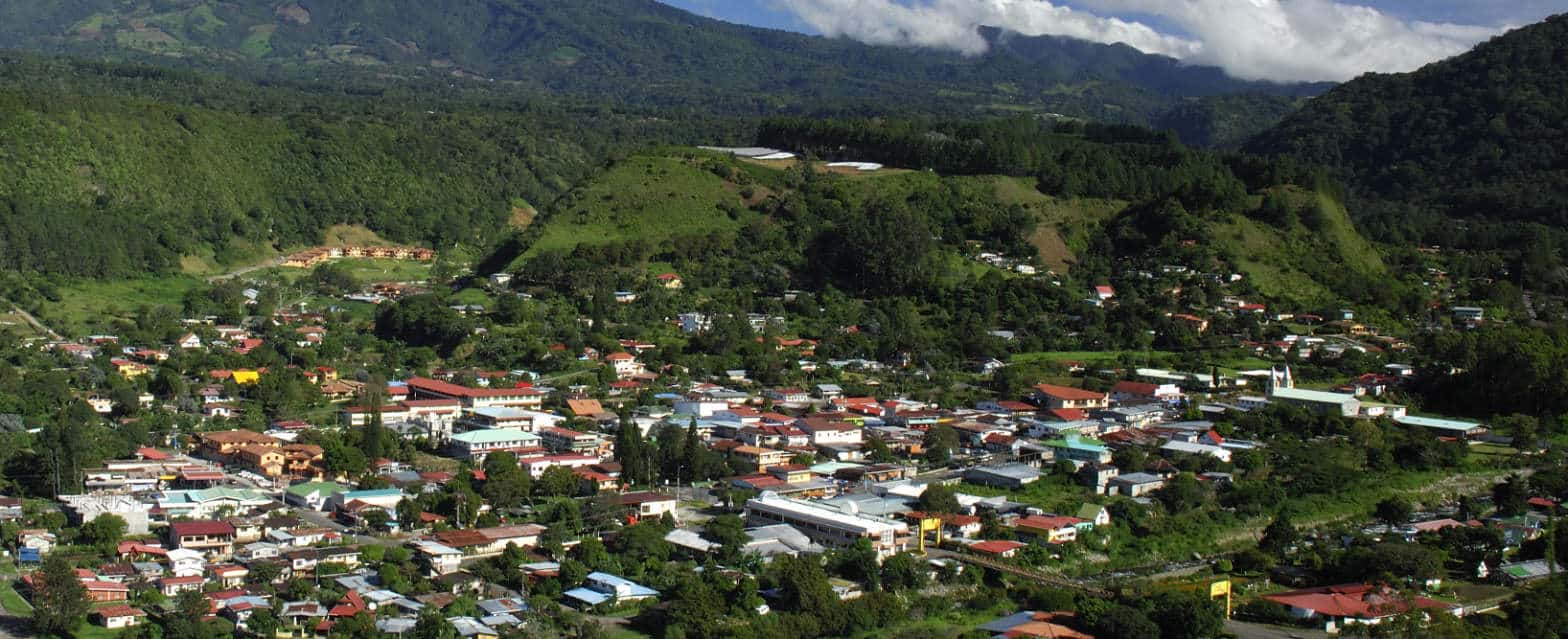
Tucked into the highlands of Chiriquí Province near the base of Barú Volcano — Panama’s highest peak — Volcán is a gem for expats who want cool weather, stunning scenery, and a quiet lifestyle without paying Boquete prices.
At roughly 4,500 feet above sea level, Volcán enjoys spring-like temperatures year-round. You’ll almost never need air conditioning, which makes a dramatic difference in your electricity bill. The town has a small but established expat community, decent supermarkets, and access to fresh local produce from the surrounding farmland. And it has a local public hospital.
What your money gets you: This is where Volcán really shines. Furnished 1-bedroom rentals have been found for as little as $400/month, including utilities. Even a comfortable 2-bedroom house runs $500–$700/month. A single person or couple can live well in Volcán for $1,200–$1,800/month, and that includes living comfortably, not just surviving.
The climate: Cool and pleasant. Evenings can be downright chilly — keep a sweater handy. No AC needed, which keeps electric bills remarkably low, sometimes under $30/month.
Amenities: Volcan has many grocery stores, fruit & veggie markets, a public hospital, basic shopping, and many restaurants.
Best for: Nature lovers, hikers, bird-watchers, and anyone who genuinely dislikes heat. Volcán offers access to cloud forests, rivers, and the slopes of Barú Volcano.
Keep in mind: Volcán is more remote than David or Boquete. You’ll need the phone number of a reliable taxi service or your own car. David (about an hour away) is where you’ll go for private hospitals, big shopping, and the airport.
WATCH THIS VIDEO about living in Volcan
David — The City of Convenience in Western Panama
David is Panama’s third-largest city and the commercial, healthcare, and transportation hub for all of western Panama. It’s a real city — with malls, hospitals, a PriceSmart (similar to Costco), fast food, movie theaters, and an international airport — but at a fraction of Panama City’s cost.
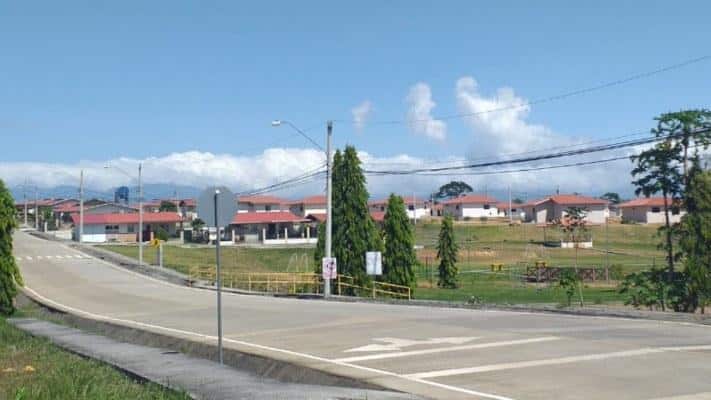
Los Algarrobos, a suburb just 10 minutes north of David, has become popular with expats who want easy access to David’s amenities while enjoying a slightly quieter, more residential feel. Nice 2-3 bedroom houses in Los Algarrobos can be rented for around $500/month — exceptional value for what you get.
What your money gets you: Housing in David ranges from modest apartments at $400/month to comfortable suburban homes in neighborhoods like Los Algarrobos for $500–$700/month. Couples report living comfortably in David for $1,400–$1,800/month with Pensionado Visa discounts factored in.
The climate: Hot. David sits at low elevation and is one of the warmest cities in Panama. You will use air conditioning, so budget accordingly — expect $100–$150/month for electricity in a typical home.
Best for: Expats who want real city amenities without Panama City prices. David is perfect for those who value convenience: two private hospitals, daily flights to Panama City, and easy access to the highlands (Boquete is 45 minutes away) and the beach (40 minutes to Barqueta Beach).
Keep in mind: The heat is the number one reason some people don’t choose David. If you love warm weather and the buzz of a mid-sized city, you’ll be very happy here. If you hate heat, look at Volcán or Boquete instead.
WATCH THIS VIDEO about living in David.
Dolega – The Hidden Sweet Spot Between David and Boquete
If someone asked us to design the ideal location for a budget-conscious expat who wants milder weather, easy access to city amenities, and an authentic Panamanian community, it would look a lot like Dolega.
Dolega sits right on the four-lane highway that runs between David and Boquete, about 20 minutes north of David and 20 minutes south of Boquete. That location alone is remarkable. You’re close enough to David to run errands, see a doctor, or catch a flight — and close enough to Boquete to enjoy its coffee shops, expat restaurants, and mountain scenery — without paying the premium price of either place.
The weather: The climate here is one of Dolega’s best features. It’s notably milder than the hot lowlands of David, but not as cool (or as rainy) as the higher elevations of Boquete. Think warm, breezy days and comfortable evenings — the kind of weather where you may not need air conditioning at all, which can make a dramatic difference in your monthly electric bill.
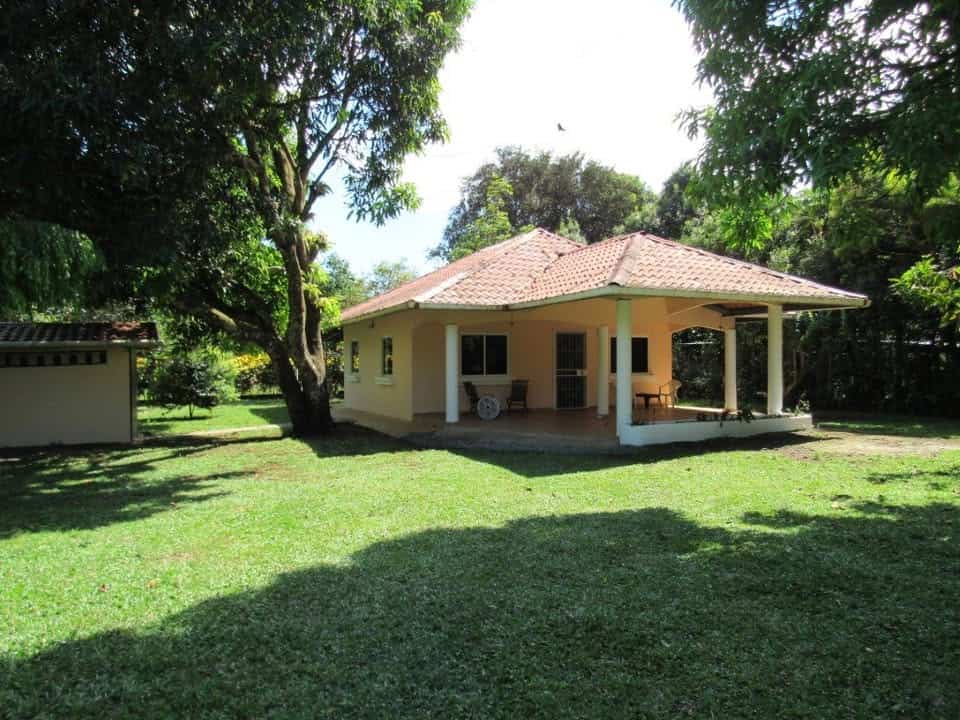
What your money gets you: Two-bedroom rentals in Dolega start at around $500/month — and that’s for a comfortable, furnished home with a yard, not a cramped apartment. Prices here are 30–50% lower than in Boquete, yet you’re just 20 minutes away from everything Boquete offers. A couple living in Dolega can realistically budget $1,400–$1,700/month and live very well.
The community: Dolega is a genuine Panamanian town, and that’s a big part of its appeal. Here, life unfolds at an unhurried pace, centered on neighborly values, community gatherings, local festivals, and the rhythms of small-town Chiriquí. The town is the administrative seat of the Dolega District, which includes surrounding communities like Los Algarrobos, Potrerillos, and Dos Ríos.
Local fondas serve up hearty Panamanian plates — rice and beans, fried plantains, roasted chicken, fresh fish, and rich sancocho soup for just a few dollars. There’s a weekly outdoor market where fresh produce from the surrounding farmland is sold at prices that will impress even the most budget-savvy shopper. Chiriquí Province is, after all, the breadbasket of Panama — more of the country’s produce is grown here than anywhere else.
Getting around: Dolega has frequent, inexpensive public transportation between the town and David, with buses also running to Boquete. Bus fares are under $2. It’s one of the few smaller towns in Panama where you could realistically live without a car, though having one opens up the entire western region of the country to you.
Services and amenities: Dolega has the essentials — grocery stores, pharmacies, a health clinic and a private hospital, gas stations, bakeries, small restaurants, and local shops. For anything more substantial, like private hospitals, PriceSmart, a movie theater, the airport — David is 20 minutes away. For excellent expat-friendly coffee shops, restaurants, and hiking trails, Boquete is 20 minutes in the other direction. It’s genuinely the best of both worlds.
Expat presence: Dolega has a small but slowly growing expat community. It’s not an expat hub like Boquete, and that’s actually part of the charm for many people who choose it. You’ll integrate into a real Panamanian community rather than living in an expat bubble — and over time, many expats find that’s exactly what they were looking for.
Best for: Expats who want mild weather without Boquete prices, easy access to David’s full range of services, an authentic Panamanian community feel, and a genuinely low cost of living. Dolega is especially compelling for people who’ve considered Boquete but found it too expensive or too touristy.
Keep in mind: English is not widely spoken in town. Basic Spanish will serve you well and go a long way with your neighbors.
WATCH THIS VIDEO about living in Dolega.
Other Towns?
Arraiján, La Chorrera, and Vacamonte are fast-growing areas in Panamá Oeste, just west of Panama City and the Panama Canal. It is popular with Panamanians who work in the city but want more affordable housing, more space, and a suburban lifestyle. The cost of living in Arraiján is lower than in Panama City, especially for rent, but the tradeoff is traffic—commuting across the Bridge of the Americas can be slow during rush hour. You can find modest homes and apartments for less than you would pay in the city, while newer communities, especially closer to Coste Verde, Panama Pacifico, or gated neighborhoods, will cost more. A couple could live in the Arriajan/La Chorrera area for $2000 a month or less, including rent. For someone who wants access to Panama City’s hospitals, shopping, airport, and amenities without paying city prices, Arraiján can be a practical option, but it is important to visit first and test the commute before deciding to live there. You will need to improve your Spanish skills (or get good with Google Translate) as there are few English speakers in this area.
There are many other towns in Panama where a couple could live for $2,000 a month or less, especially in smaller rural communities. However, some of those areas may be farther from the amenities many foreigners prefer, such as hospitals, larger grocery stores, reliable internet access, banks, restaurants, social activities, and English-speaking professionals. That does not mean those towns are not good options, but it does mean they may require a more flexible, independent lifestyle and a greater comfort level with Spanish and local transportation.
See this video of Playa Guanico, where rents are as low as $350 in a great surf area. However, that area is very remote.
For many newcomers, choosing a town with easier access to everyday conveniences can make the transition to life in Panama much smoother.
The Secret Most People Miss:
‘HOW’ You Live Matters as Much as WHERE You Live
Here’s the truth that doesn’t get talked about enough: two people can live in the same town in Panama on vastly different budgets — and the difference has nothing to do with their rent.
Your daily choices will either keep you comfortably within a $2,000 budget or push you well past it. Here’s what makes the difference:
What Will Raise Your Costs
Buying imported products. Panama imports a lot of the “comfort foods” expats are used to from home. If you insist on Heinz ketchup, Kraft Mac & Cheese, imported breakfast cereal, and California wine, you will pay U.S. prices — or more. Imported goods carry significant premiums, and the habit of shopping for the “familiar” brands is one of the fastest ways to inflate your grocery bill. Getting Amazon orders shipped to Panama could drastically increase your costs.
Frequenting expat restaurants and happy hours. Panama has a thriving expat social scene in many towns, and it’s easy to fall into the rhythm of daily happy hours and dinners at the popular gringo-friendly restaurants. A three-course dinner at a mid-range restaurant can run $25–$40 per person. Do that several times a week and you’ll burn through your food budget quickly.
Running the AC constantly. Electricity is Panama’s greatest variable expense. If you run central air conditioning 24/7 in a hot coastal town, your electric bill can reach $250–$350/month or more. That one habit alone can be the difference between a $1,500 budget and a $2,000 budget.
What Will Lower Your Costs
Shop at fruit and vegetable stands. Panama grows an extraordinary variety of tropical produce, and the roadside fruit and vegetable stands (fruterías) sell it fresh at prices that will make your jaw drop. A bag full of papayas, pineapples, plantains, tomatoes, peppers, and fresh herbs might cost you $5–$8. Make this a weekly habit, and your food budget will shrink significantly.
Buy Panamanian products. Local brands, local cheeses, local meats, and locally grown staples are all far cheaper than their imported equivalents — and often just as good or better. A kilo of fresh Panamanian chicken breast costs a fraction of the imported alternatives. Local rice, beans, yucca, and plantains are pennies on the dollar.
Eat at fondas. A fonda is a small, family-run Panamanian restaurant — unpretentious, delicious, and incredibly affordable. A full plate lunch at a fonda — rice, beans, meat, salad, and a drink — typically runs $5–$6. Eat at fondas several times a week and you’re experiencing Panama at its most authentic while keeping your food budget remarkably lean.
Live like a local, not like a tourist. The closer your daily habits align with how Panamanians actually live, the lower your cost of living will be. Use the local markets, take the bus occasionally, learn a few Spanish phrases, and embrace the produce that’s in season. Panama rewards those who adapt.
Putting It Together: A Realistic $2,000/Month Budget
Here’s what a comfortable couple’s budget might look like in one of these towns:
Expense Monthly Cost …………………………………………………….(Single-Couple)
Rent (furnished 1-2BR) …………………………………………………….$500 – $750
Electricity …………………………………………………………………………….$50 – $100
Internet ……………………………………………………………………………….$50 – $60
Groceries (local-focused) …………………………………………………$250 – $350
Dining out (mix of fondas + occasional restaurant) …..$50 – $100
Transportation ……………………………………………………………………$50 – $60
Health insurance ……………………………………………………………….$120 – $240
Entertainment & miscellaneous ……………………………………..$100 – $150
Total ……………………………………………………………………………………..$1,170 – $1,810
Live thoughtfully, and you’ll come in under $2,000. Upgrade your apartment, crank the AC, and eat at tourist restaurants or expat happy houses frequently — and you’ll spend more. The choice really is yours.
The Bottom Line
Panama genuinely offers one of the best quality-of-life-to-cost ratios in the world — but it rewards those who embrace the country rather than try to recreate their North American lifestyle within it.
The towns above, Penonomé, Chitré, the Azuero beach communities, Volcán, and David/Los Algarrobos, and Dolega all offer comfortable, safe, and rewarding lives for well under $2,000 a month. But the people who thrive on that budget are the ones who shop at the frutería, try the fonda around the corner, and let Panama show them a different — and often better — way to live.
Want to see these towns for yourself before you commit?
That’s exactly what our Panama Relocation Tour is designed to do. In six days, you’ll visit multiple regions, talk to expats who are already living this life, and get the honest, on-the-ground information you need to make the right decision for you.
Learn more about our Panama Relocation Tours HERE
If you prefer to explore Panama on your own, check out the self-guided tour section in the Online Panama Relocation Guide.
Jackie Lange is the founder of Panama Relocation Tours. Since 2010, she has helped thousands of people relocate to Panama the right way. Learn more here.